from:
http://www.aes.org/standards/comments/comments-draft-aes72-xxxx-190215.cfm

from:
http://www.aes.org/standards/comments/comments-draft-aes72-xxxx-190215.cfm
 For the field, I would expect a simple visual inspection to influence deployment decisions. Looking at the solid colours to determine the channel order. Below is an image that has been the result of many conversations. An observation I’d like to present: If you look at RJ45 connectors the solid colours are visible. The order of the solid colour should dictate the channel order. Pair three in both cases is split around pair 2. Pins of multiples of 2 are considered “Hot”. QTP-B is based on the TIA-B wiring scheme.


Dual row, 24 Channel by 24 Channel
DB25 to DB25 patchbay wiring price:
(12) QTP-DB25M $12.04 = $144.48
(24) CAT6-10-Green $7.80 = $187.20
6 cable price: $331.58
Checking the spacing fit for QTP-DB25M adapters.
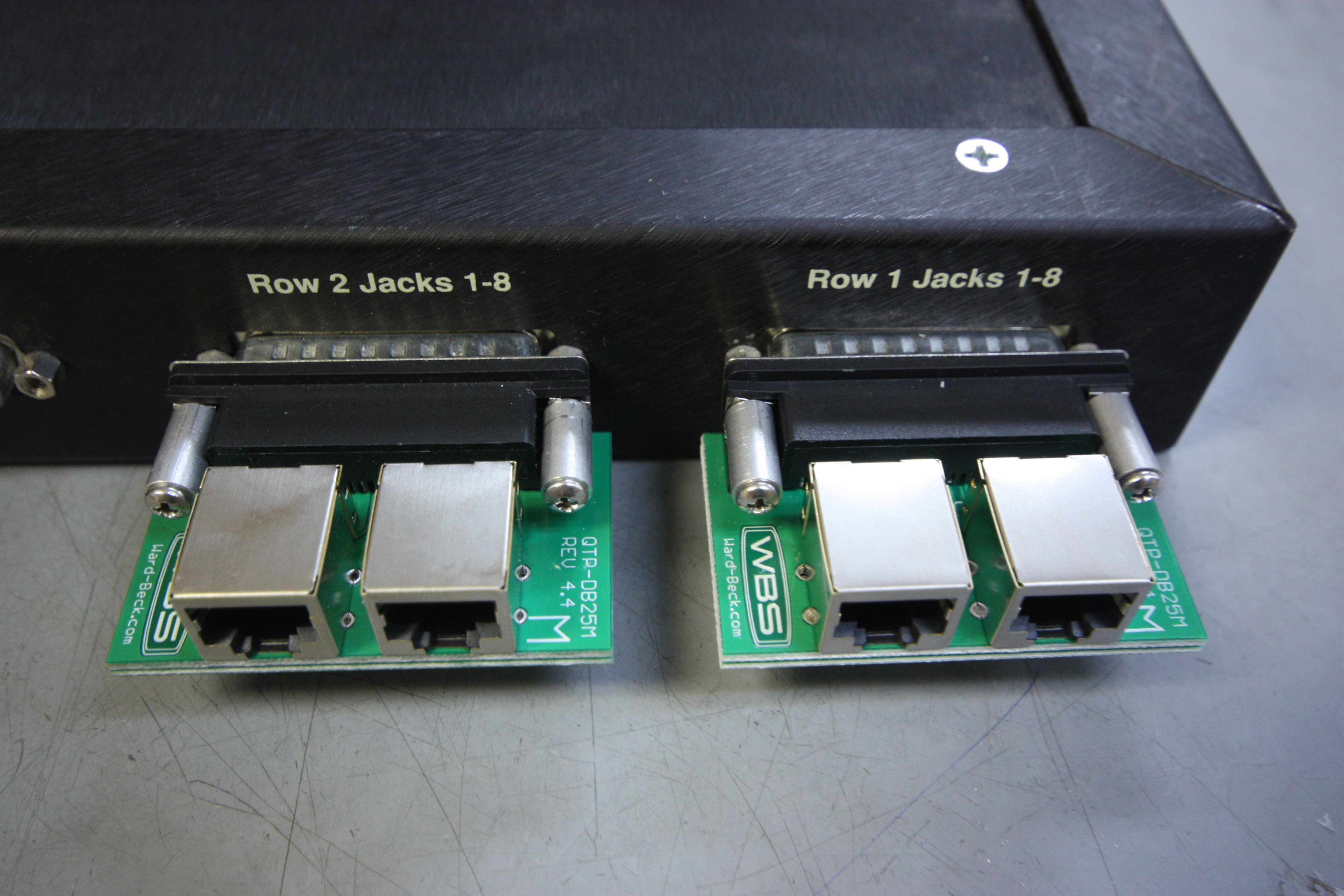
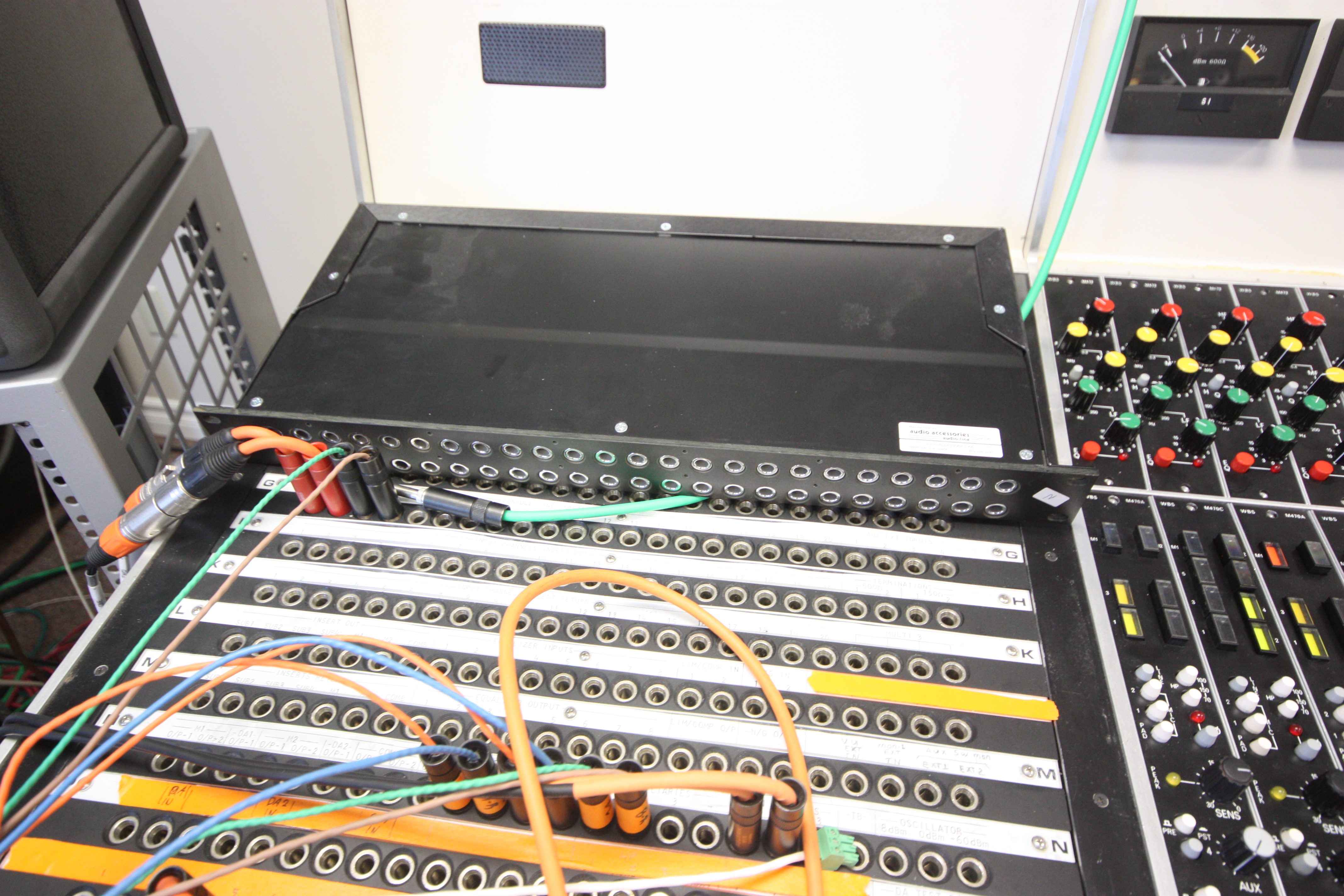
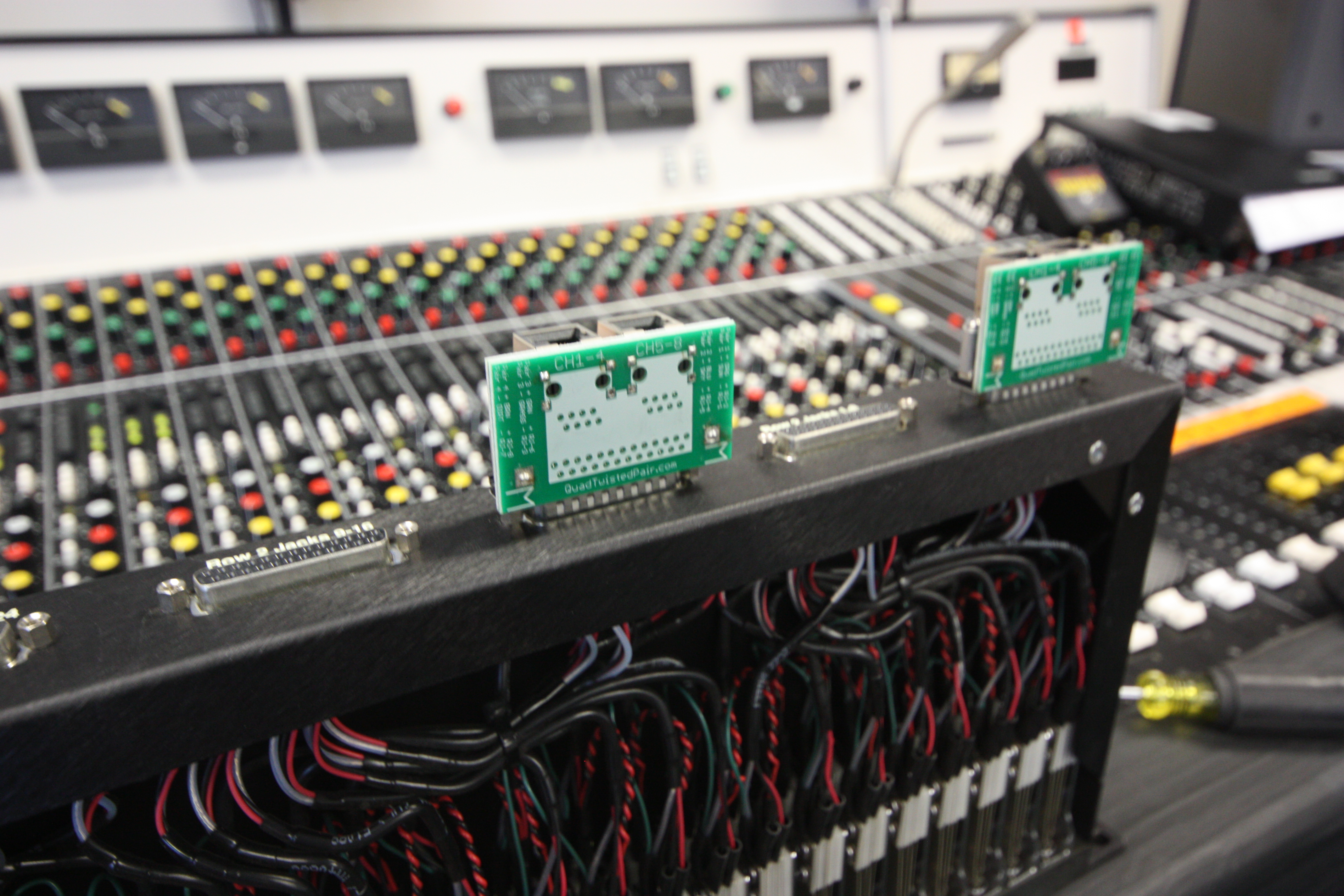
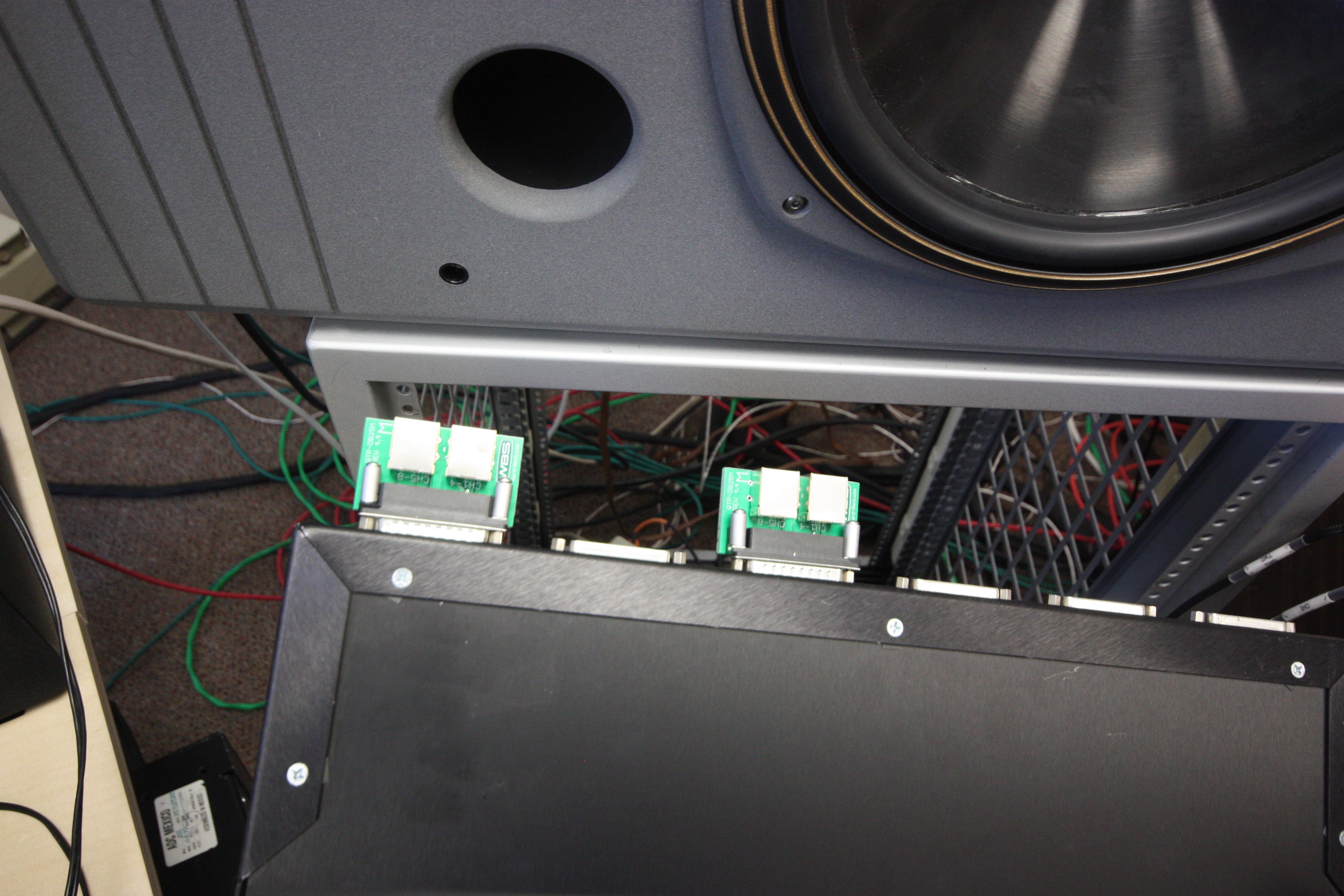
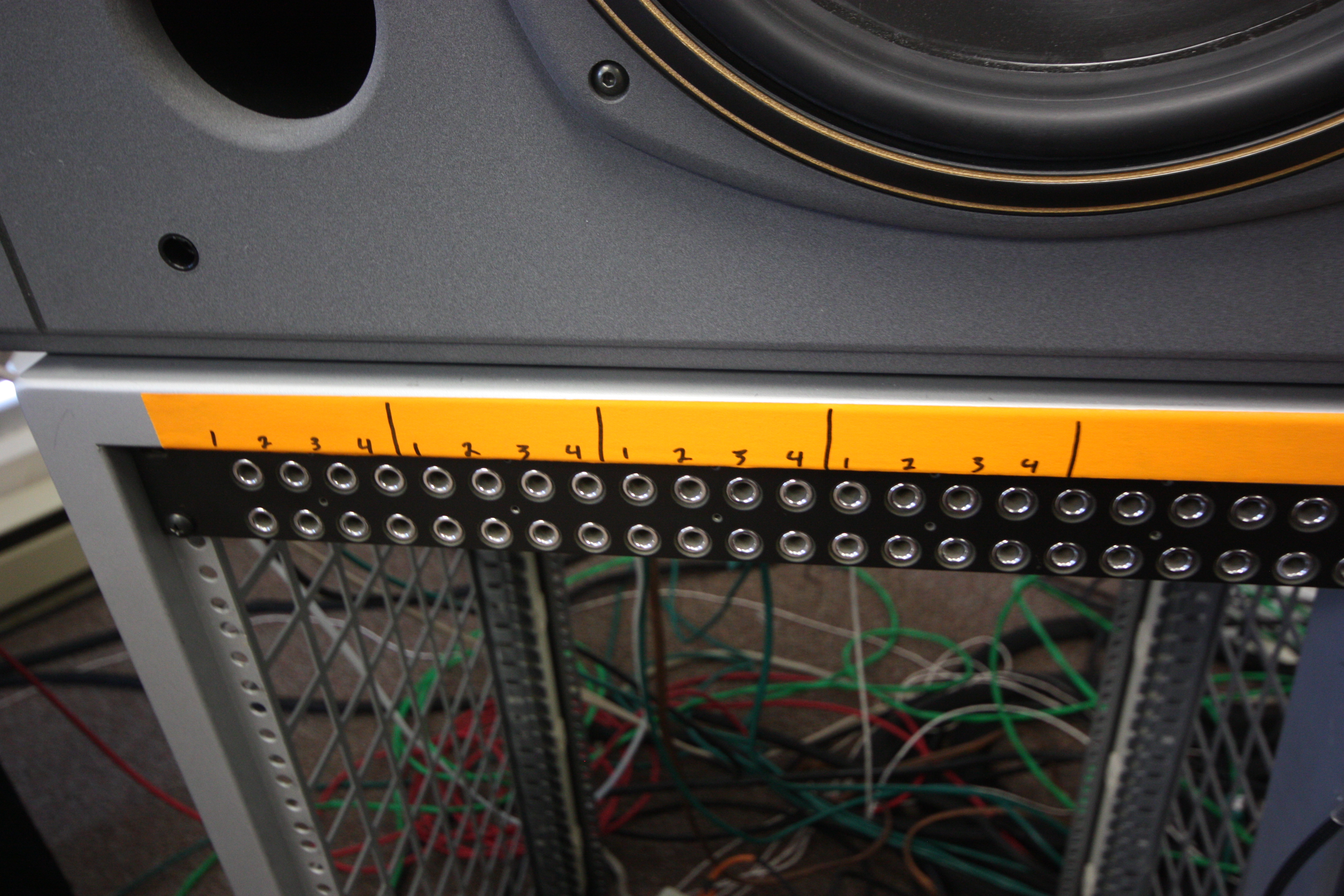
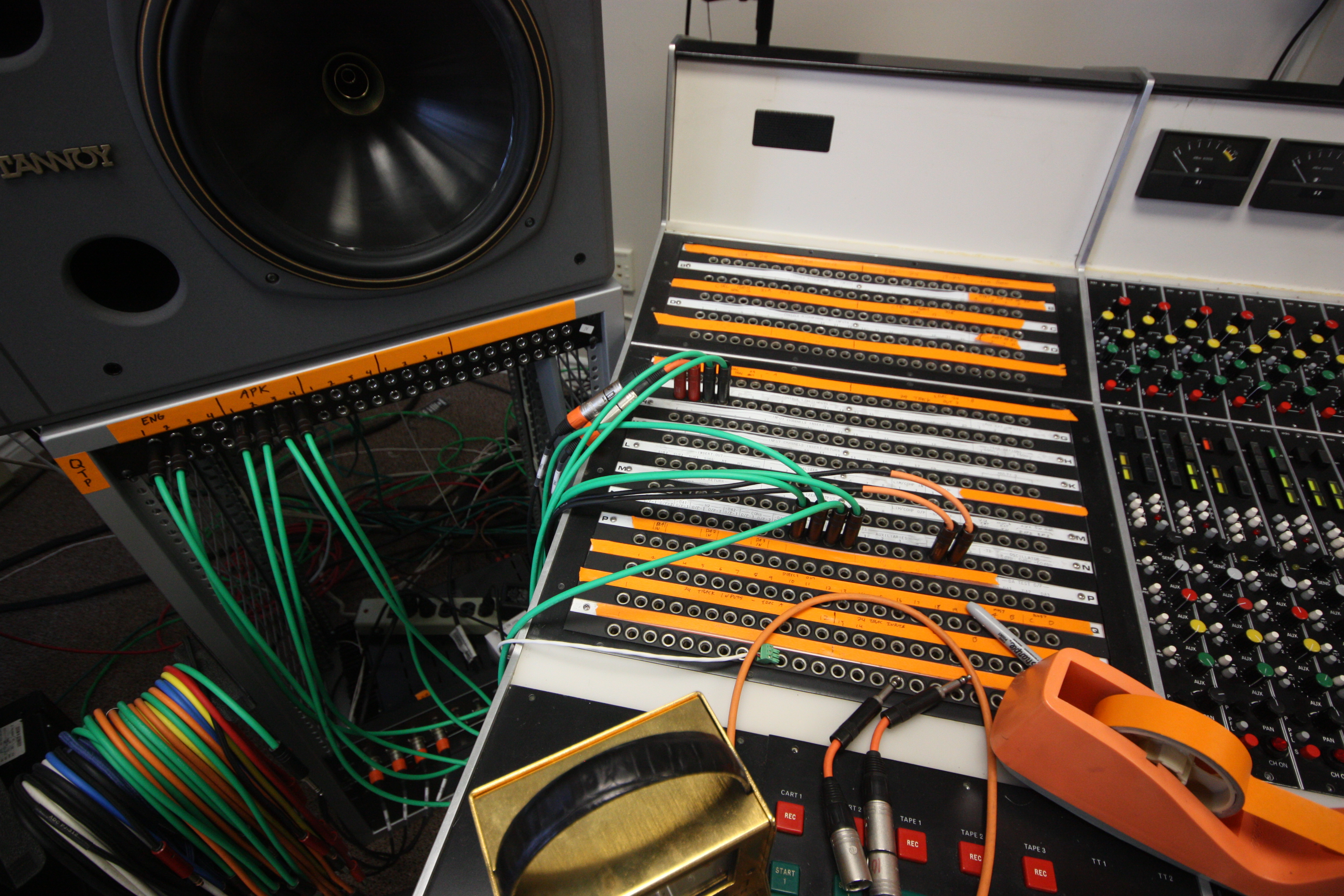
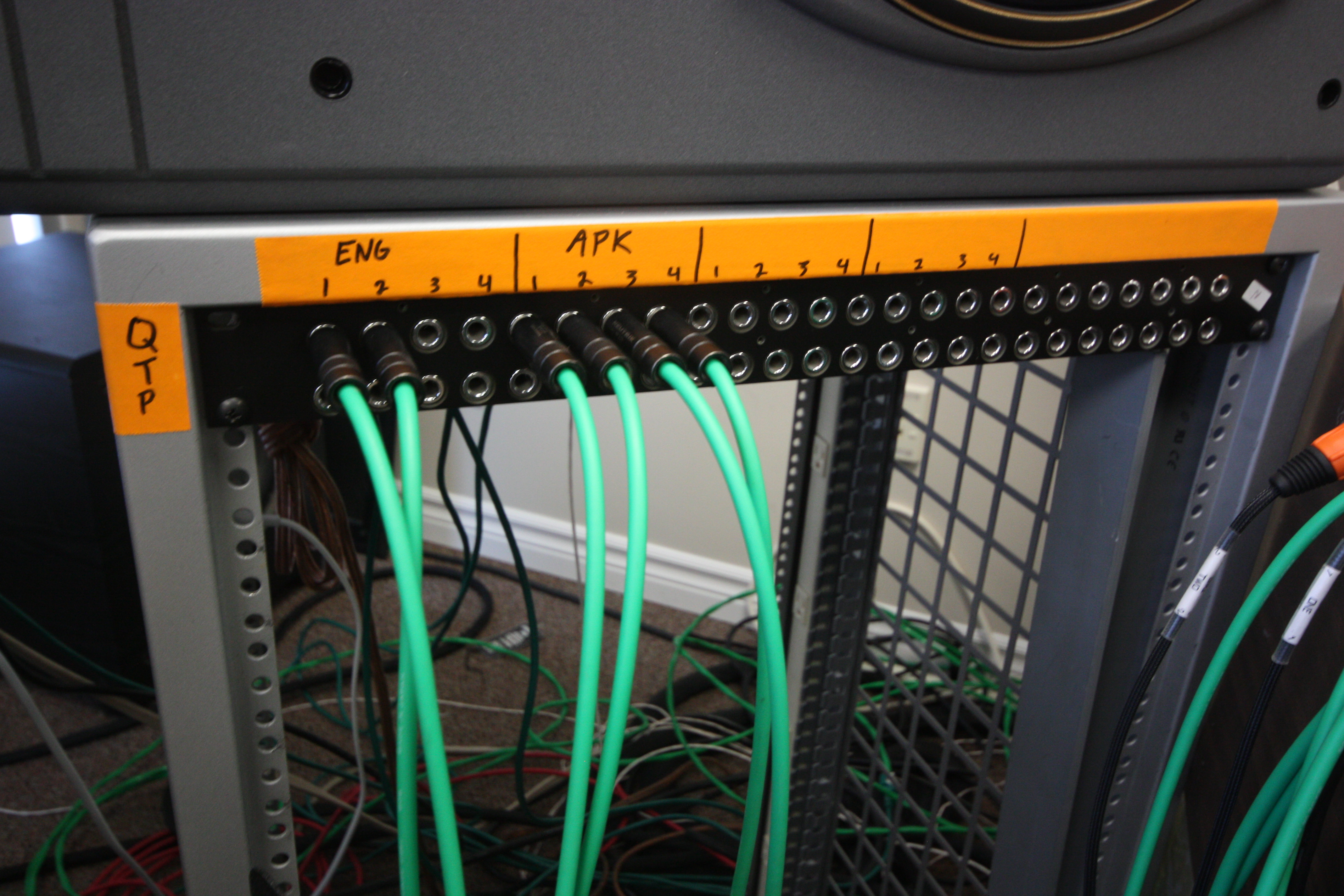
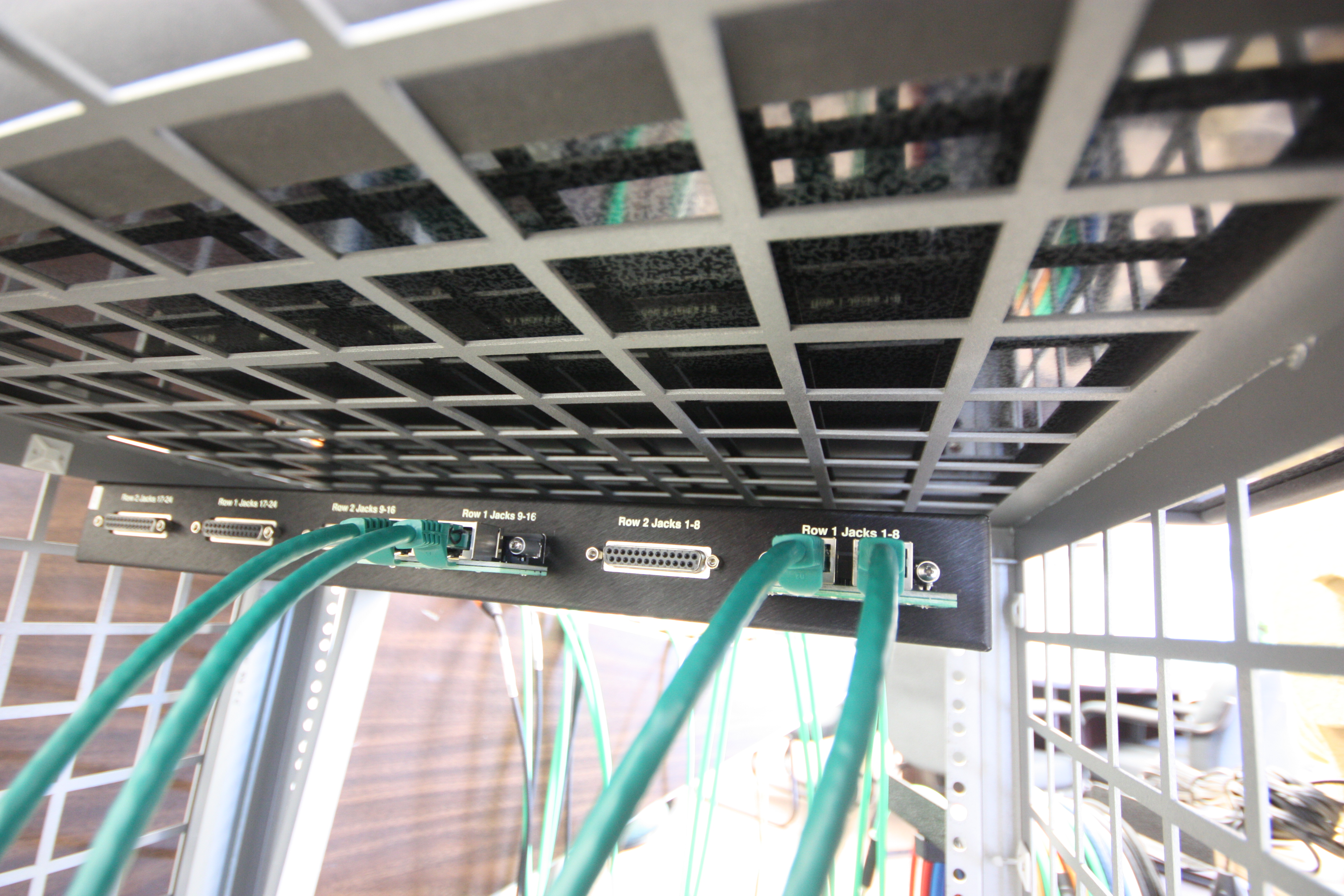 Not a single problem detected. With all signals balanced and power on two different phases, no measurable induced noise detected.
Ask us about Bit-Tree patchbays
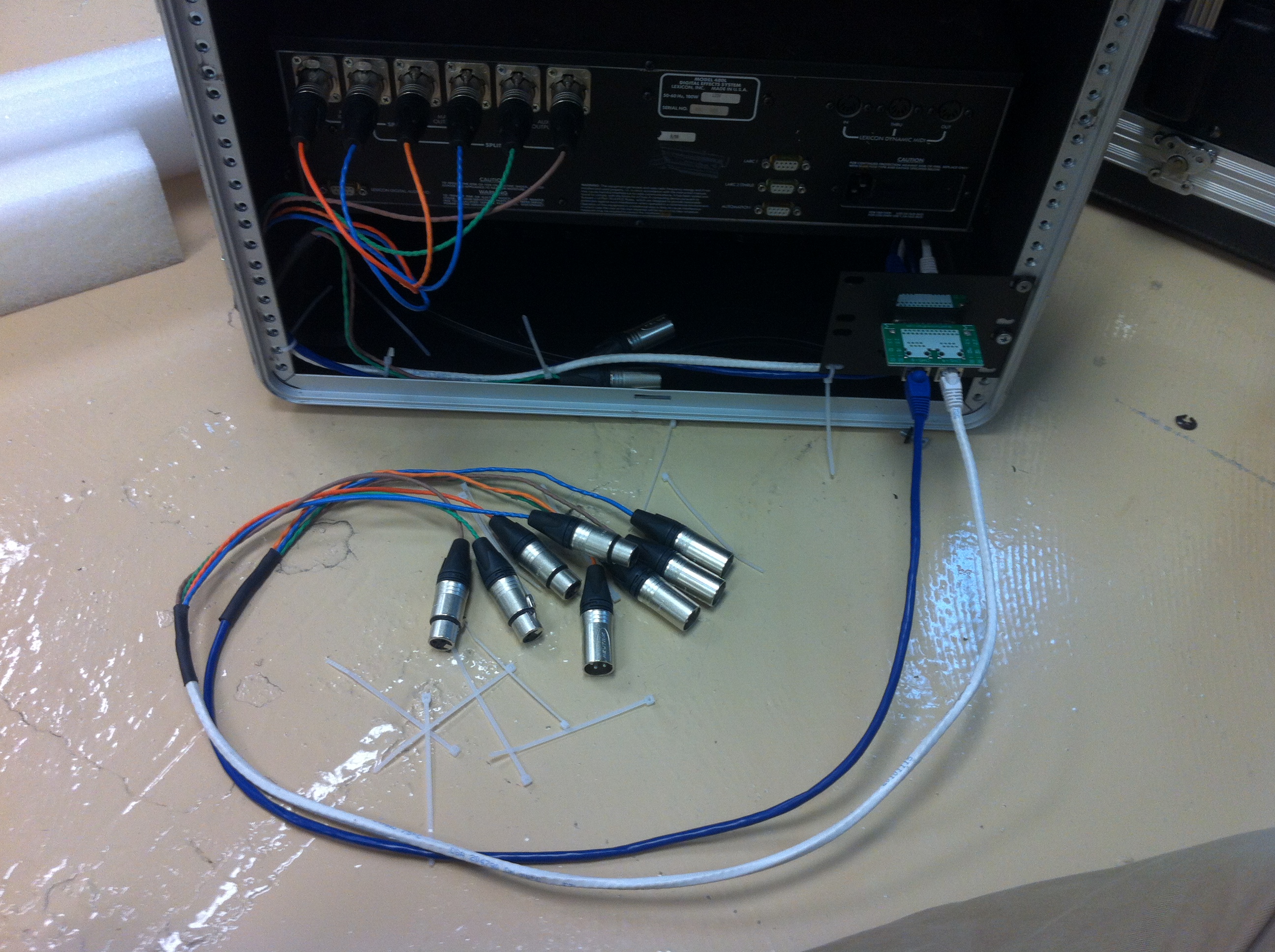
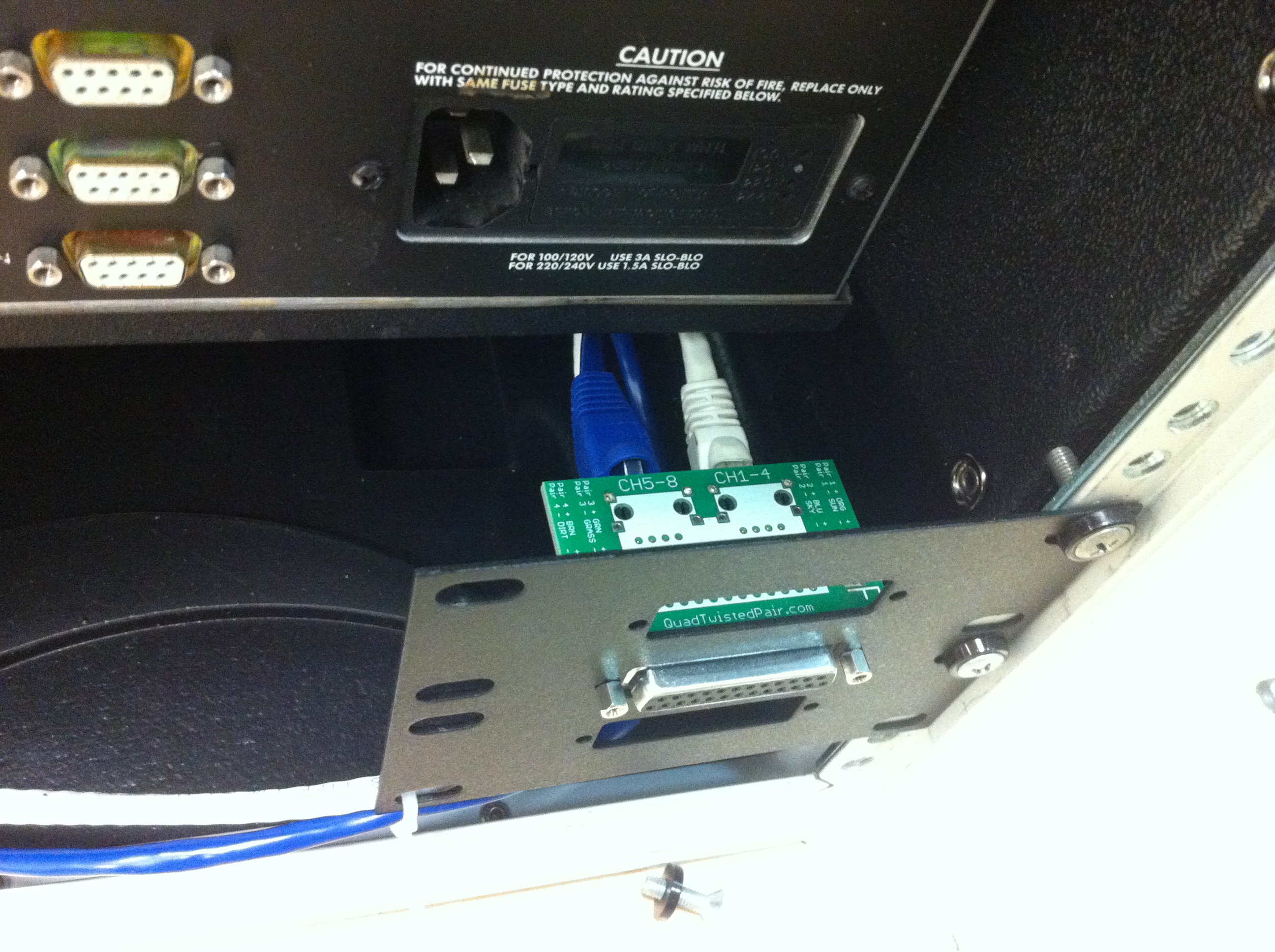
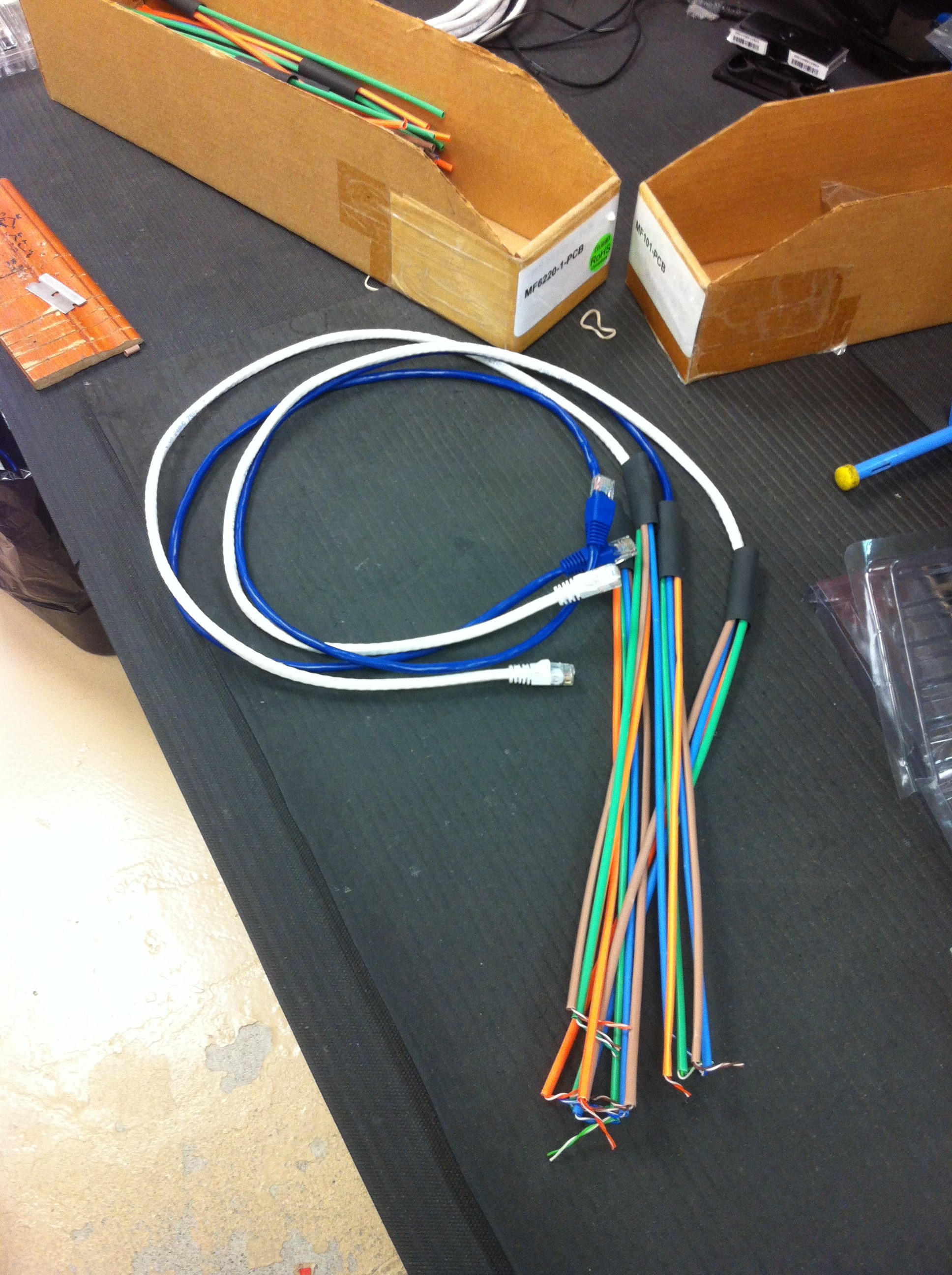 Blue are the boys, White are the Girls.
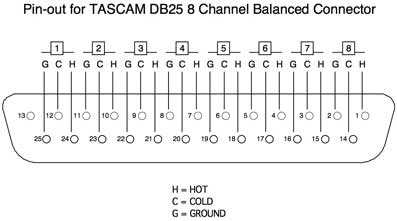
I had an integrator call today asking what the compatible pin outs of the QTP-DB25 adapters were .
QTP-DB25M and QTP-DB25M use the Tascam DB25 Pinout.
Channels 1-4 terminate to one RJ45 and 5-8 to the other.
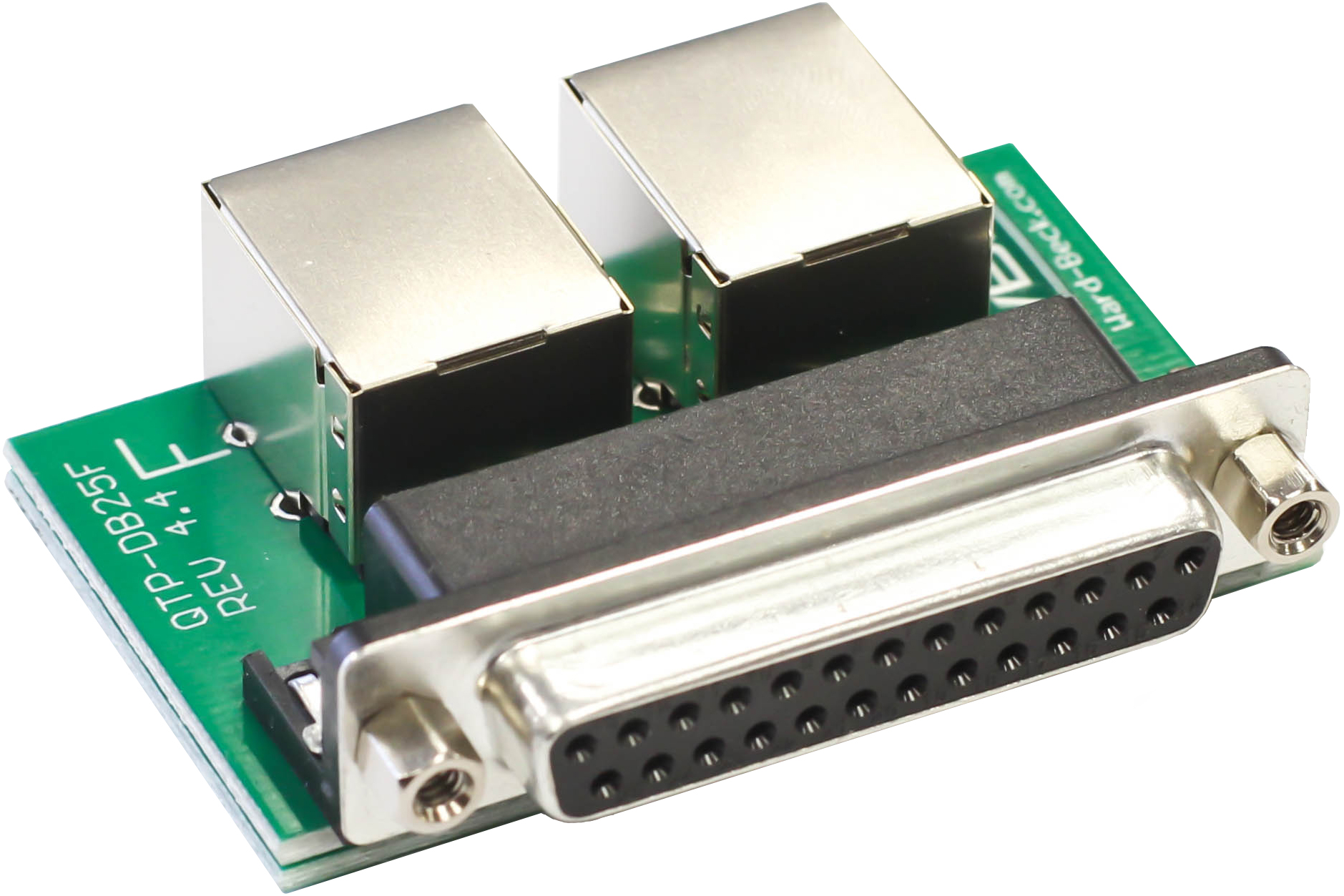


If you are using AES in and out the pin out is identical.
CH 1-4 are IN 1-4 and CH 5-8 are OUTPUT 5-8 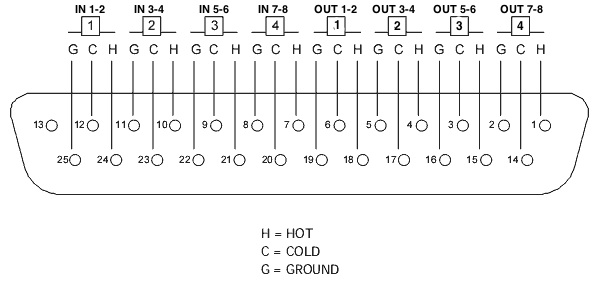
The Third Compatible pin out is the Yamaha AES pin out. The QTP-DB25Y is only available in a male DB25 connector. The IN the first RJ45 and OUT the second.
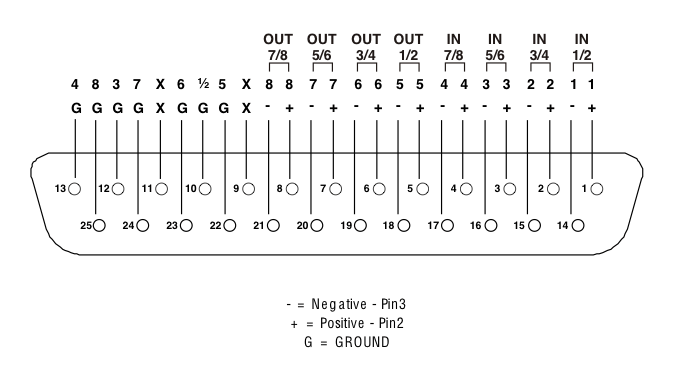
All the RJ 45 connectors terminate to the TIA -B standard and use the following pair and polarity designation

Watch out for ocean air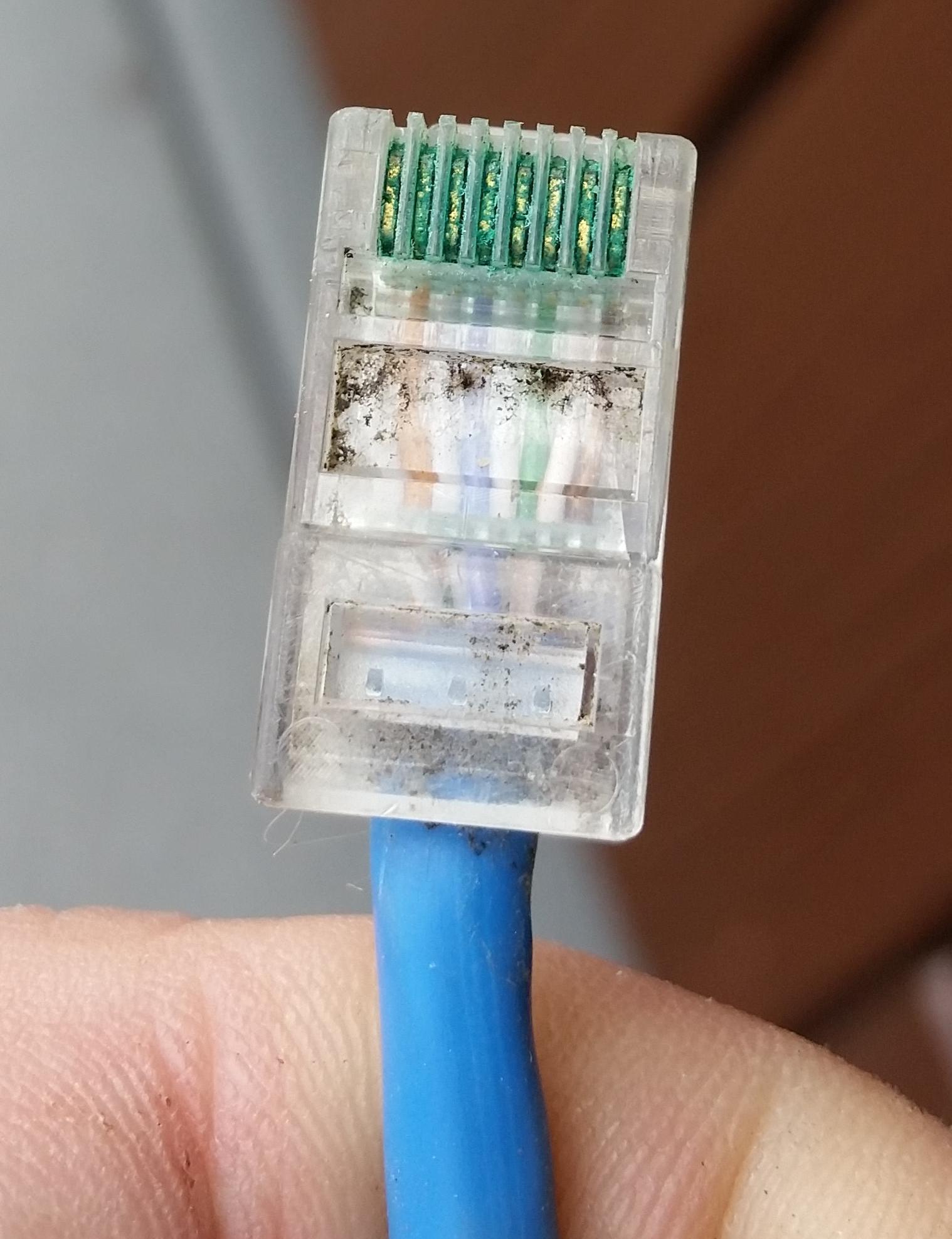
Someone at NAB asked a great question:
“How does QTP hook up to Studio Hub?”
The answer is “perfectly” with a few Q-mandments broken….
Such a great question demanded it’s own forum
See more on the forum: